
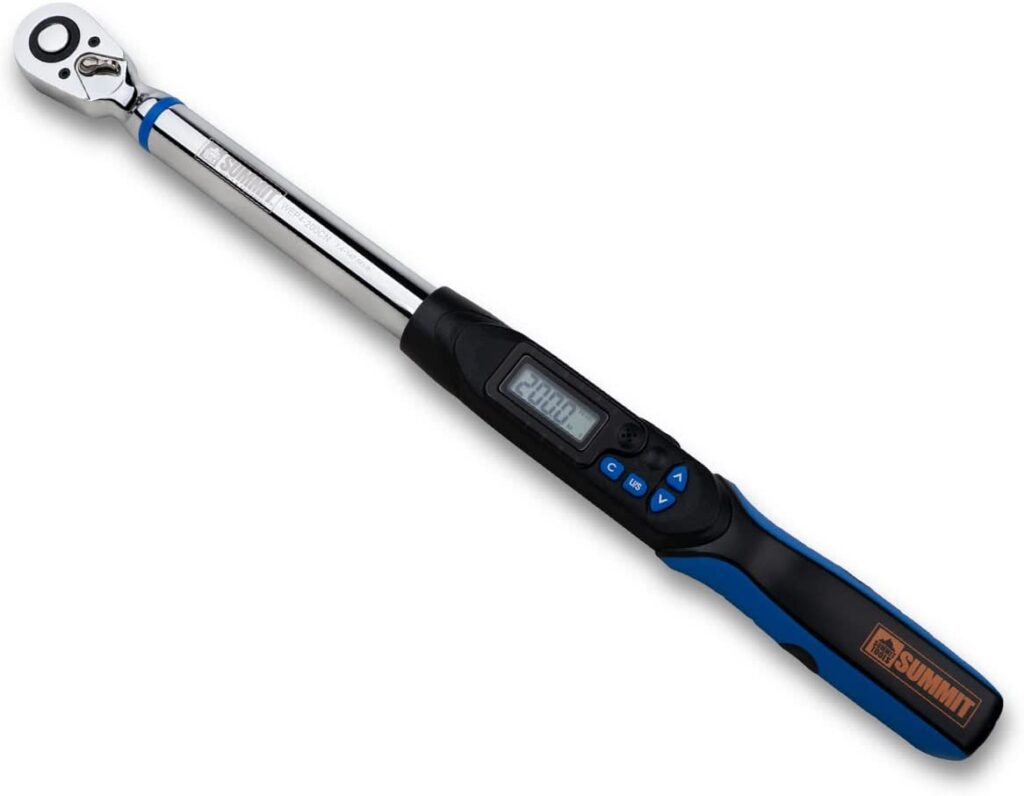
Fixing a closure is crucial in assembly, construction, and repair. Over-tightening can cause stripped threads, snapped bolts, or shattered components, while under-tightening can cause loose connections that vibrate apart, causing wear, leaks, or structural collapse. Achieving the right fixing force for any fastener is a scientific principle that affects project longevity and safety. This precision requires the torque wrench, which applies a particular revolving force to tighten every bolt, nut, and screw to its exact specification.
The Fastener Failure Mechanism
Understanding fastener failure under inappropriate stress is essential to understanding exact torque. When a bolt or screw is overtightened, the fastener or improved material is forced beyond its flexible limit. The bolt or receiving component’s threads may become forever distorted or sheared off, causing “stripped threads.” The connection can’t support the load due to this damage. Excess torque can stretch and snap the fastener’s shaft, causing rapid failure and significant harm to adjacent components.
Learning Torque Specifications
Fastener torque specifications are specified for every engineering assembly, from engines to delicate electronics. Engineers carefully compute these criteria based on the fastener’s material, size, thread pitch, and connected materials. The clamping force should be appropriate to generate a secure, sturdy joint without overstressing any component. Product dependability, safety, and performance depend on these criteria. Maintaining tightness is nearly impossible without a tool that precisely monitors and administers this force. The right torque prevents vibration, maintains seals, and efficiently bears stresses in the joint.
Precision of Measurement Tool
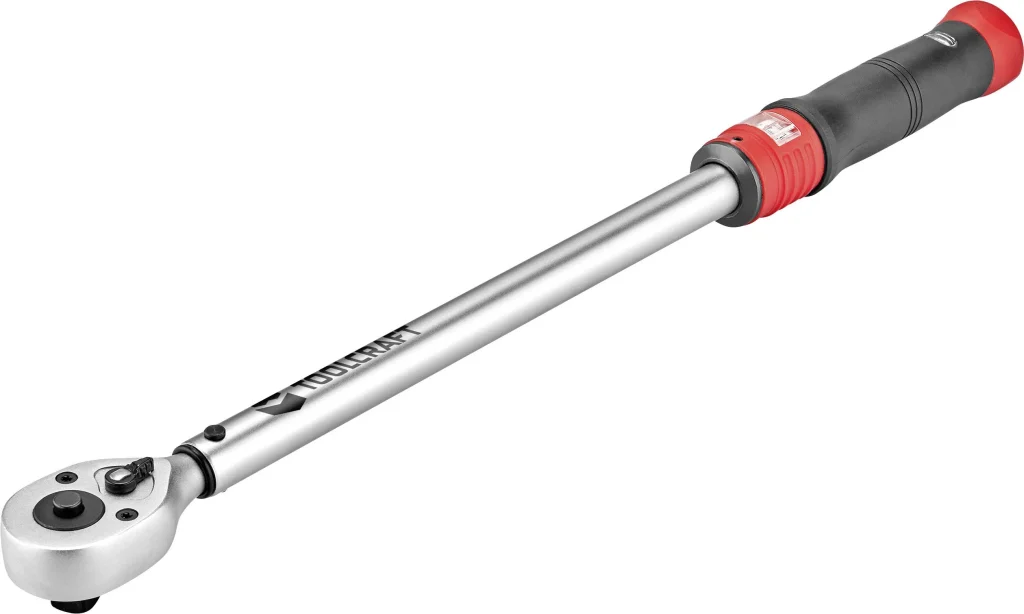
Torque wrenches measure and apply rotational force in foot-pounds (ft-lbs) or Newton-meters (Nm). Beam, clicker, and digital models vary in precision and feedback. A beam type employs a pointer and scale to indicate torque, while a clicker wrench makes an audible “click” when the preset torque is reached, stopping tightening. Digital versions are accurate and typically have alarms. The major goal is to prevent over- or under-tightening by delivering clear feedback or stopping force once the target torque is reached. Precision protects threads against breakage, preserving assembly integrity.
Industry-wide Applications
Controlled torque is crucial in many industries and applications. Safe and effective car repair requires precise torqueing of lug nuts, engine bolts, and suspension components. Plumbers use torque to avoid pipe fitting leaks without cracking pipes. Every assembly line needs correct torque for product consistency and longevity. In home improvement, utilizing the right equipment can prevent costly damage and assure long-lasting results when assembling furniture or installing fixtures. Accurate torque application shows professionalism and quality in any project.
Disregarding fastener tightening might cause costly failures. The torque wrench are precision instruments that preserve and secure every connection to its exact specification. Preventing stripped threads and component breakage improves project integrity and safety and saves time, money, and frustration.